What does Google actually re-read when a website changes?
Four things: the page addresses, the words on each page, how fast the pages load and how the pages link to each other. Everything Google knew about the old site was attached to its addresses. When those change, the history attached to them, including links from other sites and years of being crawled, either follows through a redirect or is lost. The words decide what each page can rank for. Speed and mobile behaviour are measured on the live site. Internal links tell Google which pages matter most.
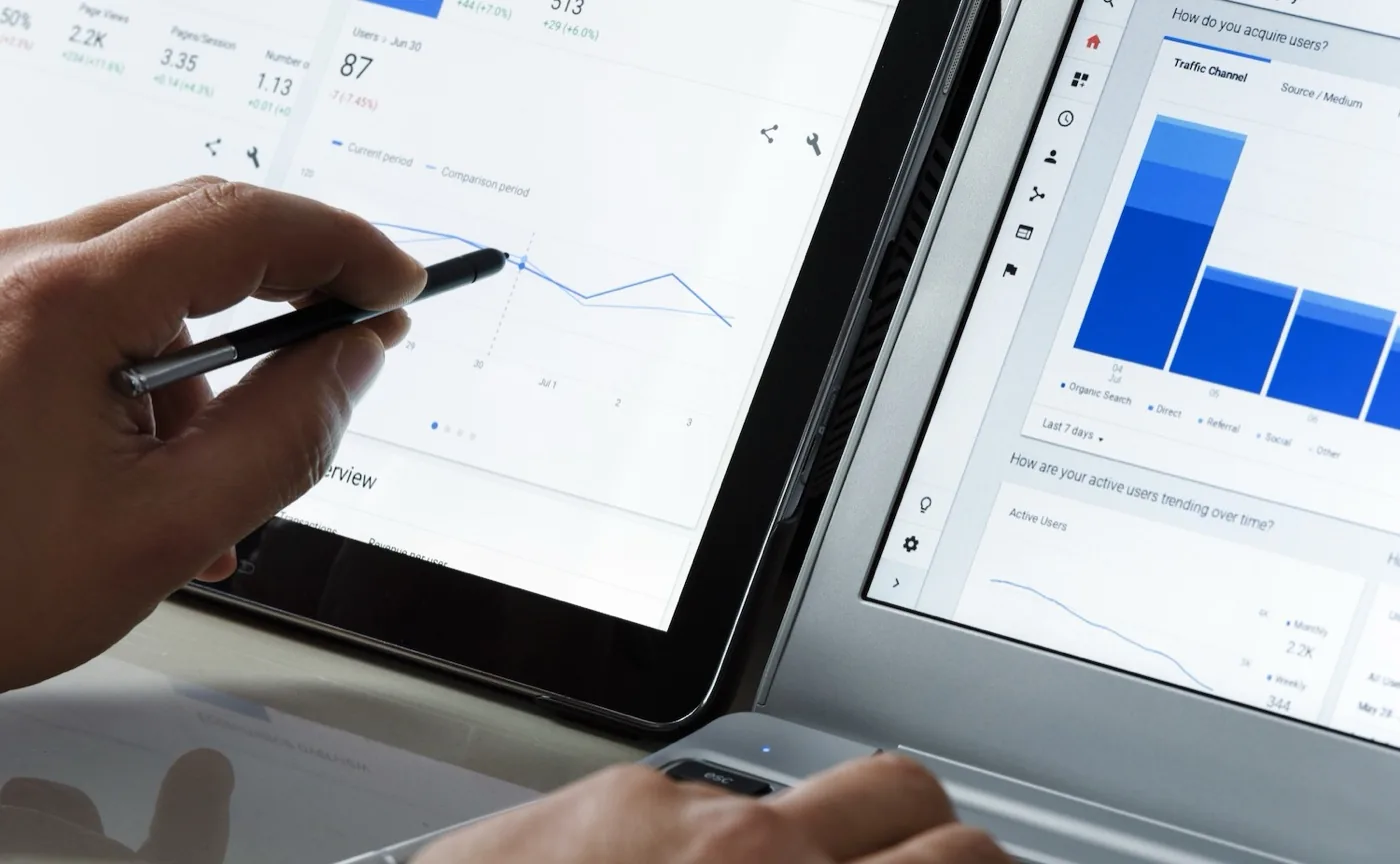
None of this is hidden. Google publishes what it measures, and the tools to check it are free.
What causes rankings to drop after a new website?
Missing redirects, dropped pages, slower pages and thinner words, in that order of damage. The first is the killer: a new site with new addresses and no redirects from the old ones tells Google that every page it knew has gone. The second is common on trade and construction sites: the new design has room for one services page where the old site had a page per job, and the searches for each job have nowhere to land.
Speed and mobile behaviour are the third. A design-led rebuild that loads a big video and a large image library often scores worse than the plain site it replaced. The fourth is words: a rewrite that trims a 500-word service page to three lines and a button has removed the thing that ranked.
What should be checked before the new site goes live?
A page-by-page map of the old site to the new one, and the six items below, all done before launch and then checked again on the live site the same day.
- Every old page address either kept or redirected to its nearest new equivalent
- Service pages that ranked carried over with their content intact, one page per service
- Page titles and headings written for the searches that matter, in the words customers use
- Speed and mobile checks passed on the live site, on a phone, on mobile data
- The new sitemap submitted in Search Console, and the errors report watched for a month
- The Google Business Profile, directories and social profiles pointed at the new addresses
How long does it take Google to settle after a launch?
A few weeks for most Halifax business sites, and a few months for positions to be fully stable. Google recrawls the new pages within days, but it needs to see the redirects hold, re-measure speed and re-read every page before it trusts the new site as much as it trusted the old. Expect some movement in that window, and do not rebuild again because of it.
Watch Search Console through that period. Impressions for the searches you care about should return to where they were and then pass them. If they fall and stay fallen after four to six weeks, something on the checklist was missed, and it is nearly always a redirect.
Can a new website rank better than the old one?
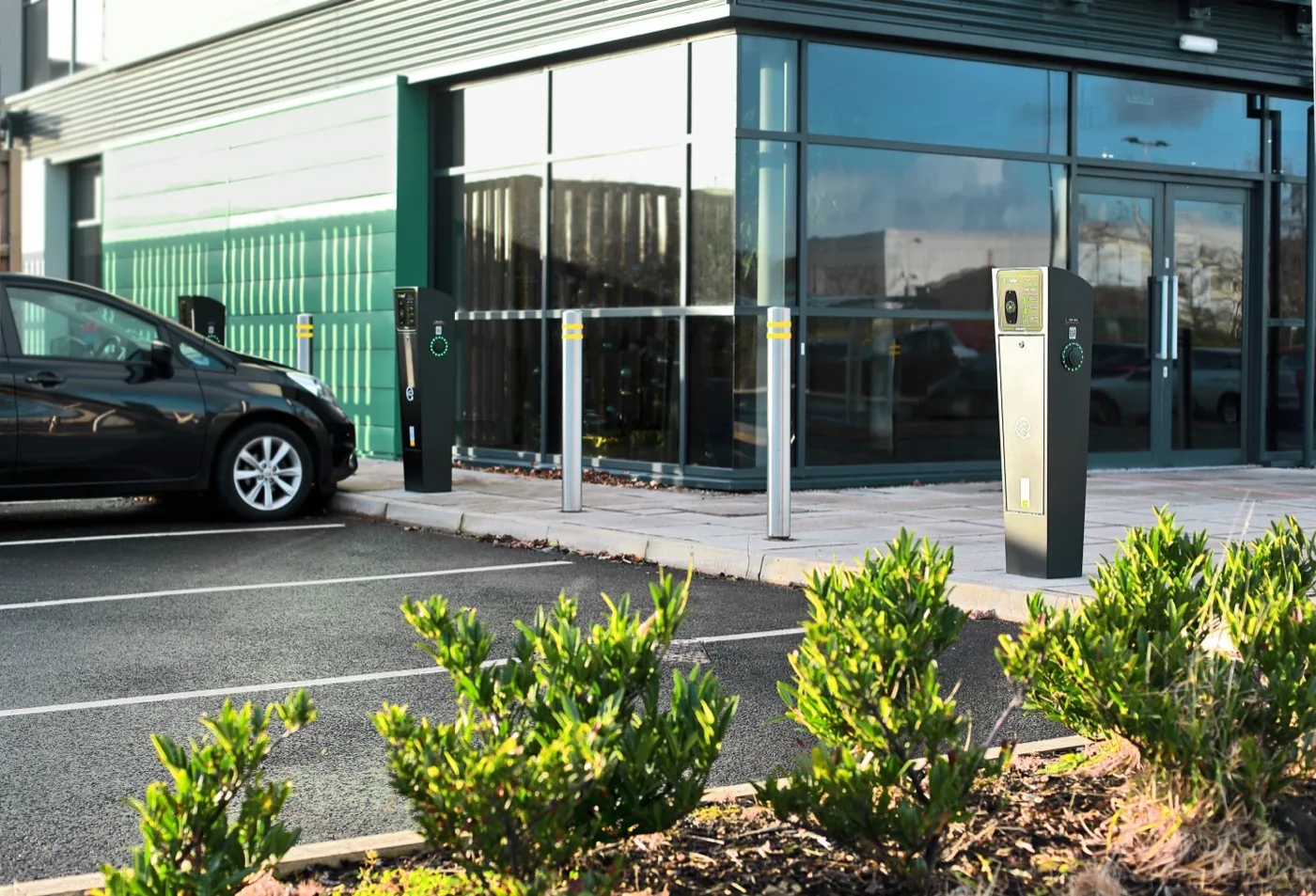
Yes, and it should, because a rebuild is the one moment the structure can be set right. A page for every service you want more of, written properly, is the biggest single gain available to most local firms, and it is easy to add during a build and awkward to bolt on afterwards. RB Electrical’s site was built that way from the start, with EV charging and each other service on a page of its own, and it has produced around two organic leads a week for five years.
Dolphin Heating, over the hill in Huddersfield, is the same idea on a smaller site: the website and the search work were built around the exact thing customers type, female gas engineer Huddersfield, and it sits first on Google for that and is named in the AI answer.
What does Halizona do about rankings when it builds a site?
The search work is planned before the design, and the migration is checked on launch day. We list every page the old site has and where each one goes. We research what people in and around Halifax search for and give each of those searches a page. Redirects are written and tested before the switch, the live site is measured on a phone the same day, and Search Console is watched for the following weeks.
Bond Brickwork in Brighouse sits at the top of Google for the commercial brickwork searches that matter, on a site that has been added to and changed since 2018, and that is what planning each change looks like over time. If you want the search work to carry on after launch, that is most of what we do for the businesses on this page.